May 21, 2026
The kitchen is often considered the heart of the home, a place where culinary creativity meets social gathering. Within this space, natural stone surfaces serve as the centerpiece of both function and fashion. Among the most popular choices for homeowners seeking durability and timeless beauty is natural stone. However, many individuals overlook a critical step in maintaining the integrity of their investment. Because these surfaces are born from the earth, they possess a porous nature that requires proactive care. Understanding the necessity of a protective barrier is the first step in ensuring that your kitchen remains a hygienic and stunning environment for decades to come.
Protecting these surfaces is not merely about aesthetics; it is about preservation. Without proper care, the very qualities that make the stone desirable—its unique veining and deep colors—can be compromised by everyday activities. The process of applying a high-quality sealant acts as an invisible shield, guarding against the common hazards of a busy household. By prioritizing this maintenance task, you are choosing to safeguard the structural integrity and visual appeal of your home.
Understand The Porous Nature Of Natural Stone
To appreciate the need for maintenance, one must first understand how these materials are formed. Natural stone is composed of a complex network of tiny, interconnected pores and microscopic fissures. These small openings are naturally occurring and vary in size depending on the specific slab and where it was quarried. While the stone feels incredibly hard and solid to the touch, it behaves much like a very dense sponge. When liquids are spilled upon an unprotected surface, they do not simply sit on top; they begin to migrate downward into the internal structure of the material.
If the stone is left untreated, these pores remain open to the elements. This vulnerability means that moisture, oils, and pigmented liquids can find a permanent home within your surface. Once a substance has deeply penetrated the stone, removing it becomes a significant challenge that often requires professional intervention or harsh chemical poultices. Recognizing that your surface is a living, breathing material helps clarify why an external barrier is essential for its long-term survival.
Prevent Permanent Staining From Common Liquids
The primary threat to any kitchen surface comes from the substances we use daily. Coffee, wine, cooking oils, and citrus juices are all capable of leaving lasting marks on a natural stone surface. When an accidental spill occurs on a granite counter, the clock begins to tick immediately. Without a sealant, the pigments in these liquids seep into the pores, creating a shadow or a dark spot that cannot be wiped away with a simple cloth. This is particularly problematic for lighter-colored stones where even a small drop of oil can create a noticeable and unsightly blemish.
The risks associated with delayed cleanup are significant. According to This Old House, sealing granite countertops is important due to the fact that spills soak into unprotected granite in just 15 to 20 minutes. This narrow window of time leaves very little room for error during a hectic dinner party or a busy morning routine. By applying a protective layer, you effectively plug those microscopic pores. This creates surface tension that causes liquids to bead up on top of the granite counter rather than sinking into it, giving you ample time to wipe away the mess without fear of a permanent reminder.
Maintain Proper Hygiene And Surface Safety
Beyond the visual concerns of staining, there is a vital health component to consider. Because the pores of an unsealed stone can trap liquids, they can also become a breeding ground for microscopic organic matter. When raw meat juices or other food particles find their way into the tiny crevices of a granite counter, they can become difficult to reach with standard surface cleaners. Over time, this can lead to the growth of bacteria and mold deep within the stone, compromising the cleanliness of the area where you prepare meals for your family.
A properly sealed surface is much easier to sanitize. The sealant creates a smooth, non-porous plane that prevents organic material from taking root. This means that your daily cleaning routine becomes more effective, as your disinfecting agents can reach every part of the surface without being absorbed. Choosing to maintain this barrier is a proactive step toward a healthier home environment, ensuring that your food preparation areas remain as clean as they appear to the naked eye.
Avoid Etching Caused By Acidic Substances
While staining involves the absorption of color, etching is a chemical reaction that physically alters the surface of the stone. Many common household items, such as vinegar, lemon juice, and certain glass cleaners, contain high levels of acidity. When these acids come into contact with the minerals in the stone, they can "eat away" at the polish, leaving behind dull, matte spots that look like water rings or cloudy patches. While some stones are more resistant to this than others, no natural material is completely immune to the effects of strong acids.
A high-quality impregnating sealer provides a vital layer of defense against these chemical reactions. While it may not make the stone entirely bulletproof, it significantly slows down the rate of the reaction, providing a buffer that protects the factory finish. Keeping your granite counter sealed ensures that the glossy or honed texture you fell in love with remains consistent across the entire slab. This preservation of texture is just as important as the preservation of color when it comes to the overall value of the installation.
Enhance The Visual Depth Of The Stone
While the functional benefits of protection are paramount, there is an undeniable aesthetic advantage to the process as well. Many modern sealants are designed to not only protect but also to subtly enhance the natural characteristics of the material. By filling in the microscopic voids, the sealant can help light reflect more evenly across the surface.
For those who prefer a more dramatic look, certain types of enhancing sealers can deepen the natural color of the stone, giving it a "wet" look that highlights the intricate veining. This allows the homeowner to customize the finished appearance of their kitchen while simultaneously providing the necessary protection. Even a standard clear sealer helps maintain that "just-installed" look by preventing the dulling effect that comes from accumulated oils and environmental wear.
Increase The Long Term Resale Value
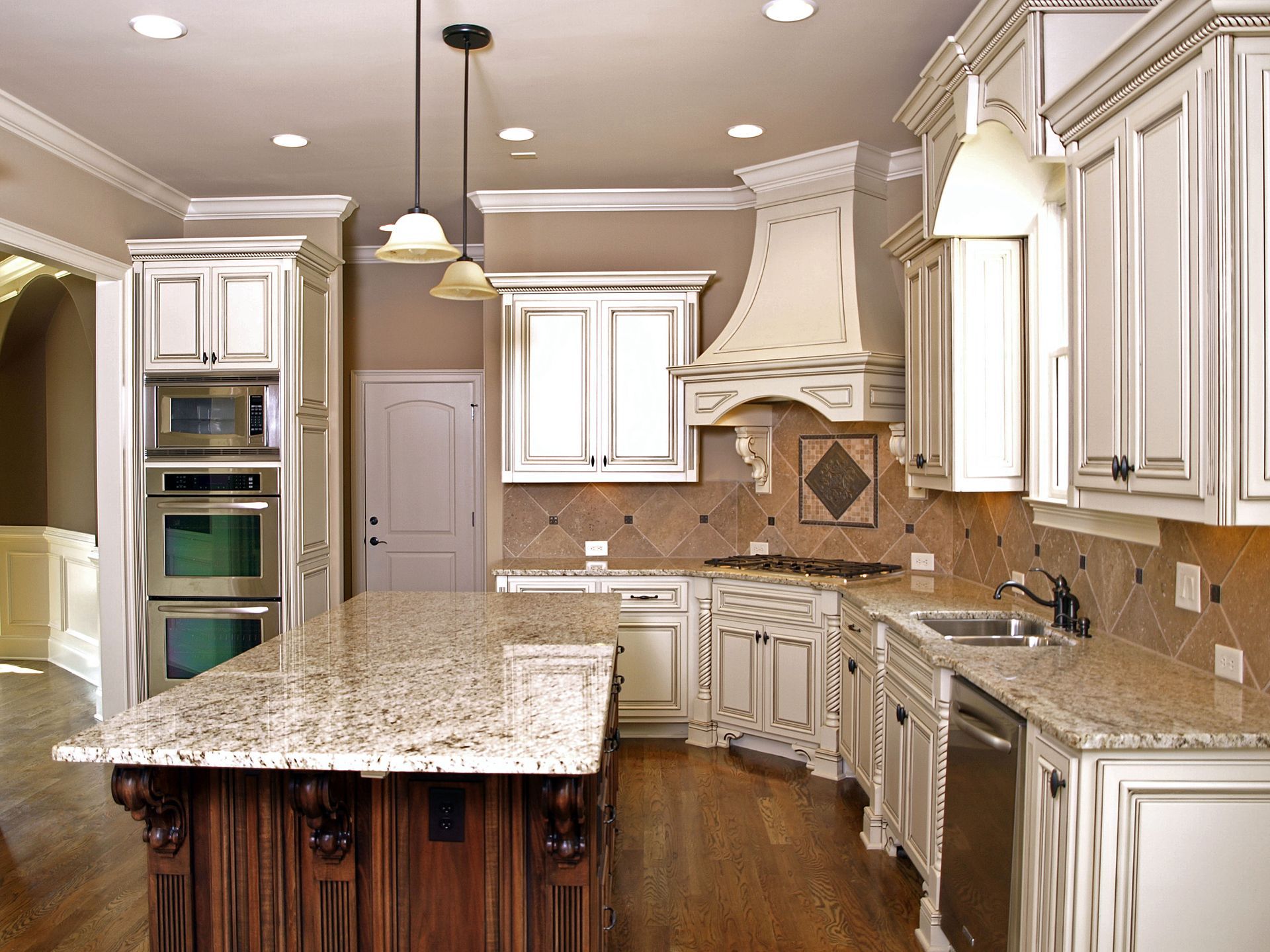
Investing in natural stone is a significant financial commitment, and like any major home feature, it requires upkeep to retain its value. Potential homebuyers are often drawn to kitchens featuring a high-end granite counter, but they are also quick to notice signs of neglect. Stains, etch marks, and a lack of luster can signal to a buyer that the home has not been meticulously maintained, which may lead to lower offers or requests for expensive repairs during the closing process.
The journey of homeownership involves many responsibilities, but few are as rewarding as the care of natural materials. The stone in your kitchen is a testament to the beauty of the natural world, and it deserves to be treated with respect. By understanding the science of porosity and the reality of household hazards, you can take control of your environment. A small investment of time and effort in sealing your surfaces today will pay dividends in beauty, hygiene, and durability for many years to come.
At Stoneworx, we understand the intrinsic value of your home's surfaces and remain dedicated to helping you preserve their elegance through expert guidance and superior care.