November 24, 2026
Choosing the right countertop material is an important decision for any kitchen or bathroom renovation. Countertops influence a room's appearance, functionality, maintenance requirements, and long-term value. Among the many available options, granite remains a popular choice because of its natural beauty, durability, and ability to complement different interior design styles. However, its advantages come with considerations that homeowners should understand before making an investment.
A granite counter offers a distinctive combination of natural patterns, practical durability, and resistance to everyday wear. Nevertheless, factors such as installation costs, sealing requirements, and material variations can influence whether it is the right choice for a particular property. Comparing granite with alternatives such as quartz, marble, and laminate can also help homeowners determine which surface best suits their priorities.
What Are the Pros and Cons of Granite Counters?
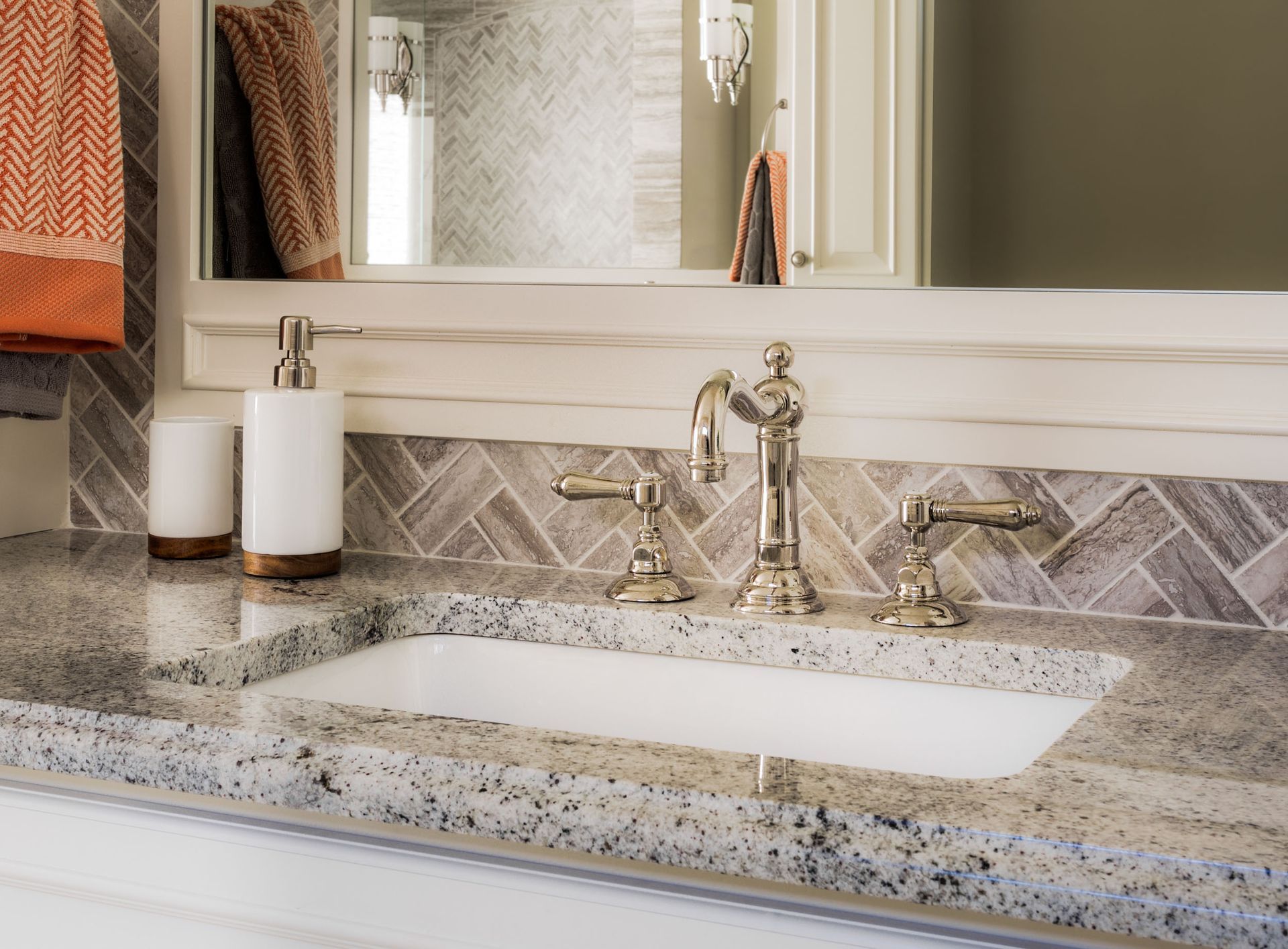
Granite offers several advantages that make it appealing for residential and commercial spaces. One of its most recognizable qualities is its natural appearance. Because granite forms through geological processes, every slab features distinctive mineral patterns, colors, and variations. This means homeowners can select a surface with characteristics that cannot be perfectly replicated by manufactured materials.
Durability is another significant advantage. Granite is a hard natural stone that resists scratches, making it suitable for kitchens where food preparation and frequent activity are common. It also handles heat better than many synthetic countertop materials. Although using trivets remains a sensible precaution, granite generally tolerates contact with warm cookware without sustaining immediate damage.
A granite counter can also contribute to a property's appeal. Its natural appearance often creates an impression of quality and permanence that complements both traditional and contemporary interiors. With appropriate maintenance, granite can remain attractive for decades.
However, granite is not without disadvantages. Its porous nature means certain liquids can penetrate the surface, potentially causing stains if the stone is not properly sealed. Some varieties require more frequent sealing than others, depending on their composition and porosity.
How Do Granite Counters Compare to Other Materials?
Comparing countertop materials is essential because each option offers a different balance of appearance, durability, maintenance, and affordability. Granite competes with several popular alternatives, particularly quartz, marble, butcher block, and laminate.
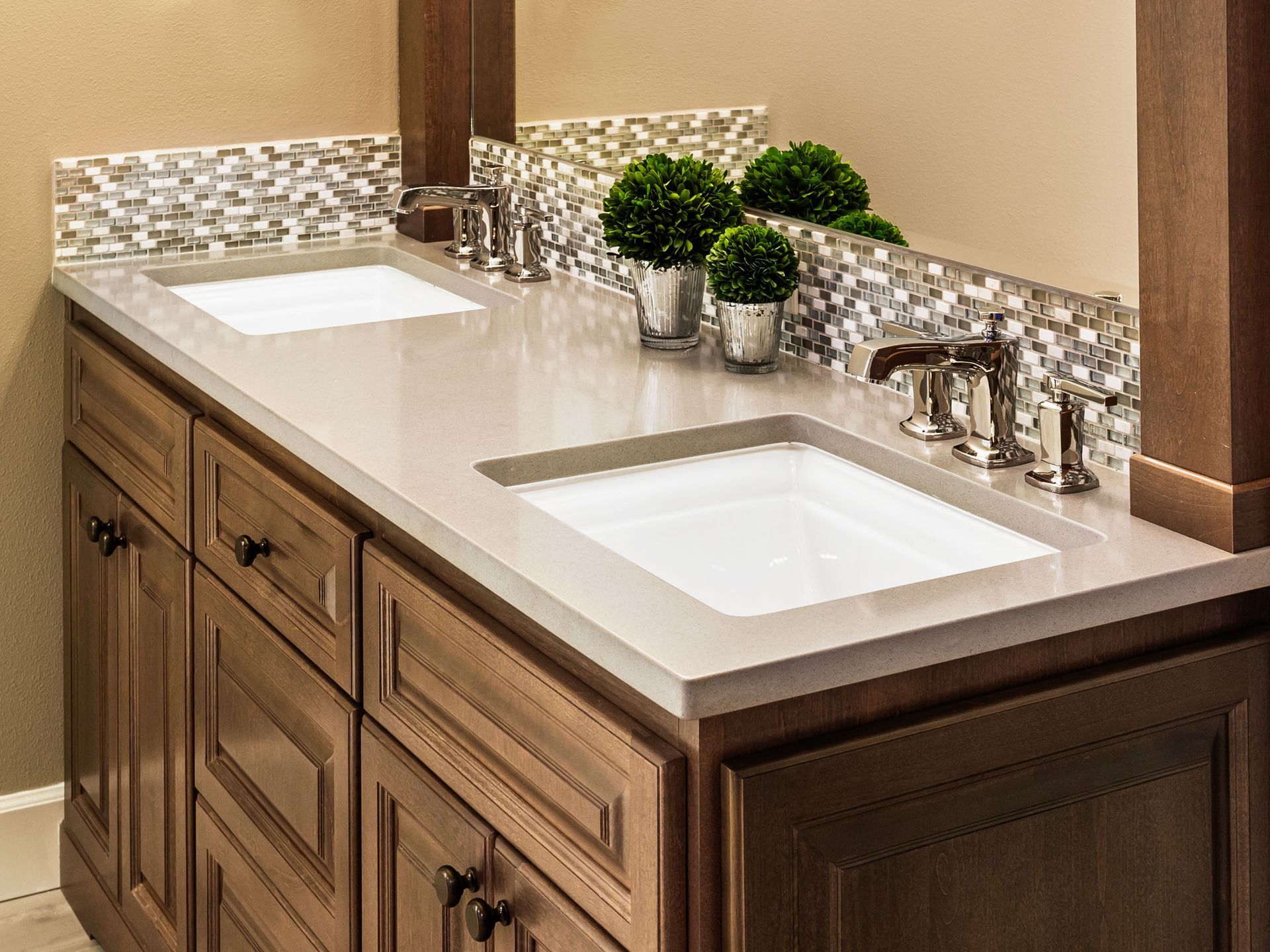
Quartz is one of granite's closest competitors. Unlike granite, which is quarried as natural stone, engineered quartz is manufactured using natural quartz particles combined with resins and pigments. This production process creates more consistent colors and patterns. Quartz is also nonporous, meaning it generally does not require periodic sealing. However, it is less resistant to high temperatures than granite, making heat protection especially important.
Marble appeals to homeowners who appreciate elegant veining and a distinctive natural appearance. However, marble is softer and more susceptible to scratching and etching from acidic substances. Granite generally offers greater practicality for busy kitchens, particularly where durability is a priority.
Butcher block provides warmth and a natural appearance that works particularly well in farmhouse and rustic kitchens. However, wood requires regular conditioning and careful moisture management. It can also develop scratches, dents, and discoloration through everyday use.
Laminate is another alternative, especially for homeowners working with limited renovation budgets. It offers numerous colors and patterns at a relatively affordable price. Nevertheless, laminate is more vulnerable to scratches, heat damage, and surface deterioration.
What Is the Cost of Installing Granite Countertops?
The cost of installing granite countertops depends on several factors, including the stone's quality, slab thickness, color, edge profile, and overall project size. Homeowners should consider both material and labor expenses when establishing a renovation budget. Although granite is generally more expensive than laminate, its durability and natural appearance can make the investment worthwhile.
The type of granite selected can significantly influence the final price. Common varieties with widely available colors and patterns are generally more affordable than rare stones featuring unusual veining or distinctive mineral formations. Imported granite can also carry additional transportation expenses, particularly when the selected material comes from overseas quarries.
Installation complexity is another important consideration. A straightforward kitchen layout with standard edges and few cutouts will generally require less labor than a design featuring multiple corners, an oversized island, or specialized edging. Sink openings, cooktop cutouts, backsplashes, and additional finishing work can increase the overall expense.
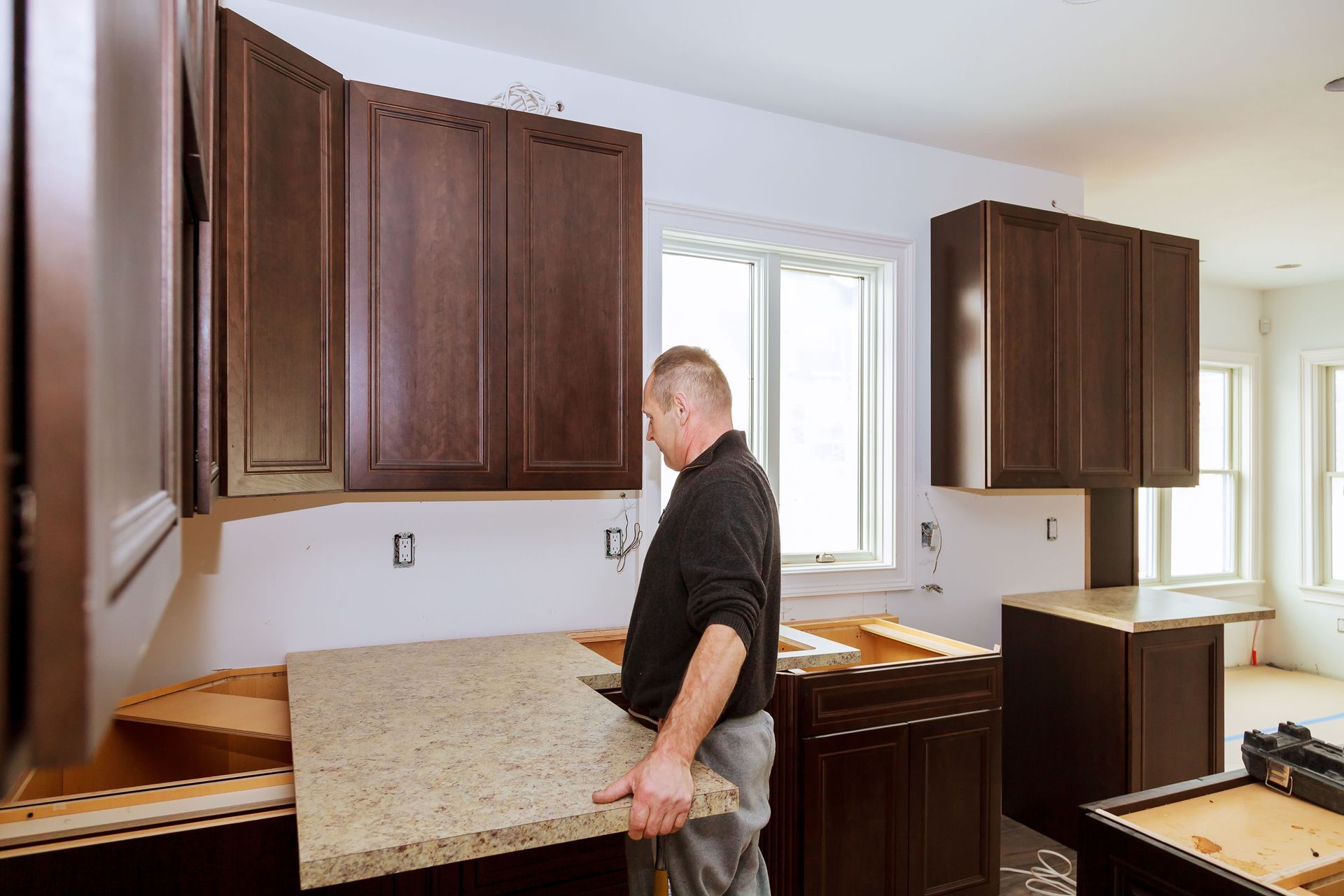
A granite counter installation also requires professional measurements and fabrication to ensure the slabs fit properly. Because granite is heavy and difficult to handle, experienced installers are important for preventing damage during transportation and placement. Homeowners should request itemized estimates that distinguish material expenses, fabrication, installation, and additional services.
Are Granite Counters Right for Every Kitchen Design?
Granite is remarkably versatile, but that does not necessarily mean it complements every kitchen design equally well. Its natural patterns and broad range of available colors make it suitable for traditional, contemporary, rustic, and transitional interiors. However, selecting the right slab requires consideration of the room's existing materials, colors, and overall aesthetic.
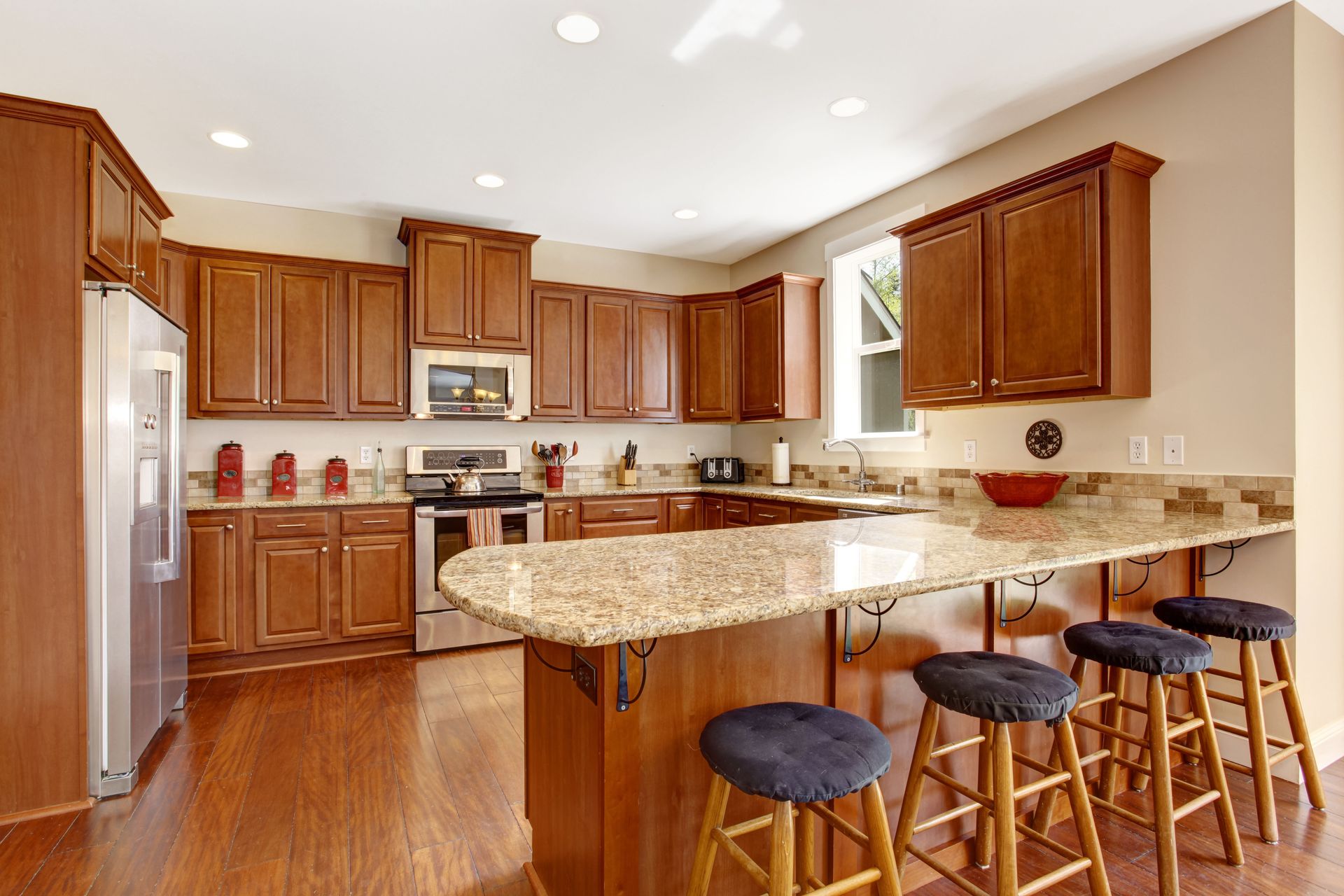
For traditional kitchens, darker granite varieties can create an elegant appearance when paired with natural wood cabinetry, decorative hardware, and warm lighting. Lighter granite can make smaller kitchens feel more open while complementing white cabinets, neutral walls, and understated fixtures.
Contemporary kitchens often benefit from granite varieties with relatively subtle patterns and consistent coloring. These surfaces can introduce natural texture without competing with minimalist cabinetry, clean lines, and modern appliances. A
granite counter can also serve as a visual focal point when used on a large kitchen island.
However, particularly busy granite patterns may clash with heavily decorated backsplashes or other prominent design elements. Homeowners should consider how the countertop will interact with surrounding finishes rather than choosing a slab based solely on its appearance in a showroom.
How to Care for and Maintain Granite Countertops?
Proper maintenance helps preserve granite's appearance and protect the investment over time. Although the material is durable, it is not completely impervious to staining, moisture, or damage. Establishing a consistent cleaning routine and understanding the importance of sealing can prevent many common problems.
Daily cleaning is relatively straightforward. Warm water, mild dish soap, and a soft microfiber cloth are generally sufficient for removing everyday food residue and surface debris. Homeowners should avoid abrasive cleaning products and harsh chemicals that could damage the stone or its protective treatment.
Sealing is particularly important because granite is naturally porous. According to This Old House, spills can penetrate unprotected granite in as little as 15 to 20 minutes, making timely cleanup and appropriate sealing essential for preventing stains. A suitable penetrating sealer helps reduce absorption and gives homeowners more time to address accidental spills.
The frequency of sealing depends on the particular stone and its porosity. Some varieties require more frequent treatment than others, so homeowners should follow the manufacturer's recommendations and monitor the surface for signs that its protective properties are diminishing. This Old House also recommends testing the stone's absorption to determine whether additional sealing is necessary.
A granite counter should also be protected from unnecessary exposure to potentially damaging substances. Although granite handles heat well, using trivets under hot cookware remains a sensible precaution. Cutting boards should be used for food preparation, while acidic substances such as lemon juice and vinegar should be cleaned up promptly.
Granite remains a compelling countertop option for homeowners who value natural beauty, durability, and long-term functionality. Its distinctive appearance, heat resistance, and ability to complement numerous kitchen designs make it a worthwhile consideration. However, installation expenses, natural porosity, and periodic maintenance should factor into the decision. If you're looking for granite counters, contact Stoneworx today!