November 23, 2026
As the hub of activity in many homes, kitchens are not only about functionality but also form. The choices made in kitchen design, particularly countertop colors, significantly influence the overall ambiance. In recent years, homeowners have increasingly gravitated towards color trends that blend modern aesthetics with personal style. Selecting the right countertop color is crucial as it sets the tone for the kitchen while reflecting individual taste. As design preferences continue to evolve, understanding the latest trends can guide consumers in creating timeless yet contemporary spaces.
1. Classic Whites: Timeless Elegance
1.1. Why White Never Goes Out of Style
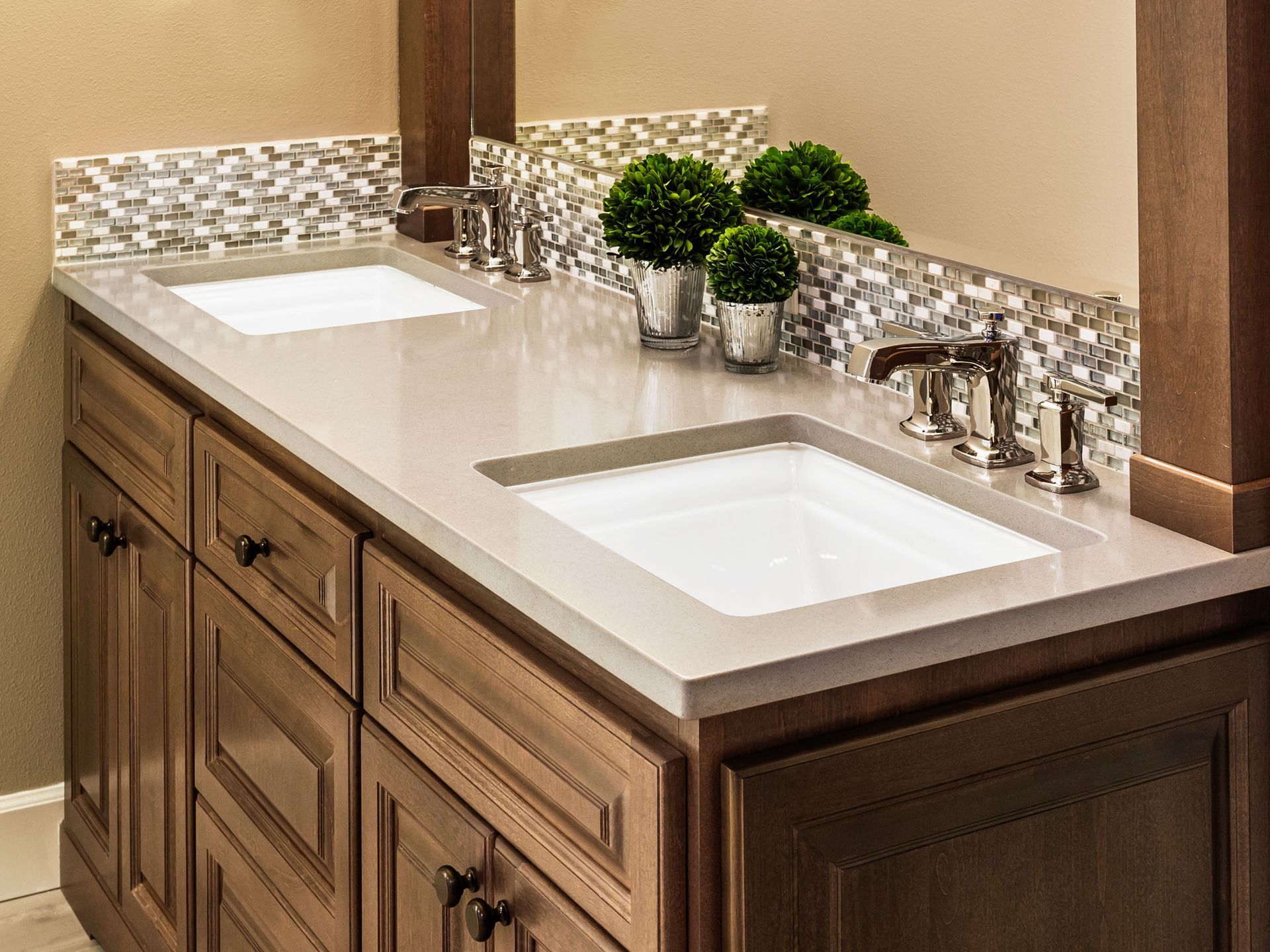
White countertops have long been prized for their classic and clean aesthetic. They offer a timeless elegance that can effortlessly complement any kitchen style, from traditional to modern. One of the reasons why white remains popular is its versatility; it pairs well with any color palette, providing a neutral backdrop that enhances other design elements. In addition, white surfaces can create an illusion of space in smaller kitchens, making them appear bigger and more open. This enduring appeal ensures that white countertops never fall out of favor, consistently being a top choice for homeowners.
1.2. Popular White Countertop Materials
When choosing white countertops, homeowners often consider materials that offer both durability and beauty. Quartz stands out as a top choice, favored by 78% of respondents in a Real Simple study for its wide variety of shades and ease of maintenance. Marble is another classic option, known for its luxurious appearance though it requires more care. Solid surface materials, on the other hand, provide a seamless look and are relatively stain-resistant. Each material offers distinct characteristics, catering to different needs and preferences, ensuring there's a perfect fit for every kitchen.
1.3. Pairing White Countertops with Different Kitchen Styles
White countertops offer exceptional adaptability, allowing them to complement various kitchen styles seamlessly. In a sleek, modern kitchen, they can be paired with high-gloss cabinets and chrome fixtures for a clean, contemporary look. For a cozy farmhouse kitchen, white countertops contrast beautifully with rustic wood elements and vintage-inspired hardware. Meanwhile, in a minimalist setting, white surfaces contribute to a serene, uncluttered space. The ability to blend with such diverse styles ensures that white countertops remain a timeless choice that never feels out of place.
1.4. Maintenance and Care Tips for White Surfaces
Maintaining the pristine appearance of white countertops requires regular care, though the effort pays off in lasting elegance. Daily cleaning with mild dish soap and warm water is essential to prevent stains from setting in. For tougher stains, a baking soda paste can work wonders without damaging the surface. It's crucial to avoid harsh chemicals and abrasive pads, as these can scratch and dull the finish. Regular sealing, particularly for natural stones like marble, can also help prevent staining and preserve the surface's beauty.
1.5. How to Add Personality to a White Countertop
While white countertops are classic, adding personality is easy with the right complements. Incorporating colorful backsplashes or bold cabinet colors can transform a simple white countertop into a statement piece. Decorative elements like vibrant kitchenware, potted plants, or unique hardware add character and interest. Textured finishes or subtle veining in the countertop material can also enhance visual depth. Personal touches and thoughtful details ensure that a white countertop feels uniquely yours, reflecting individual tastes and styles.
2. Modern Grays: Versatile and Chic
2.1. The Rising Popularity of Gray Countertops
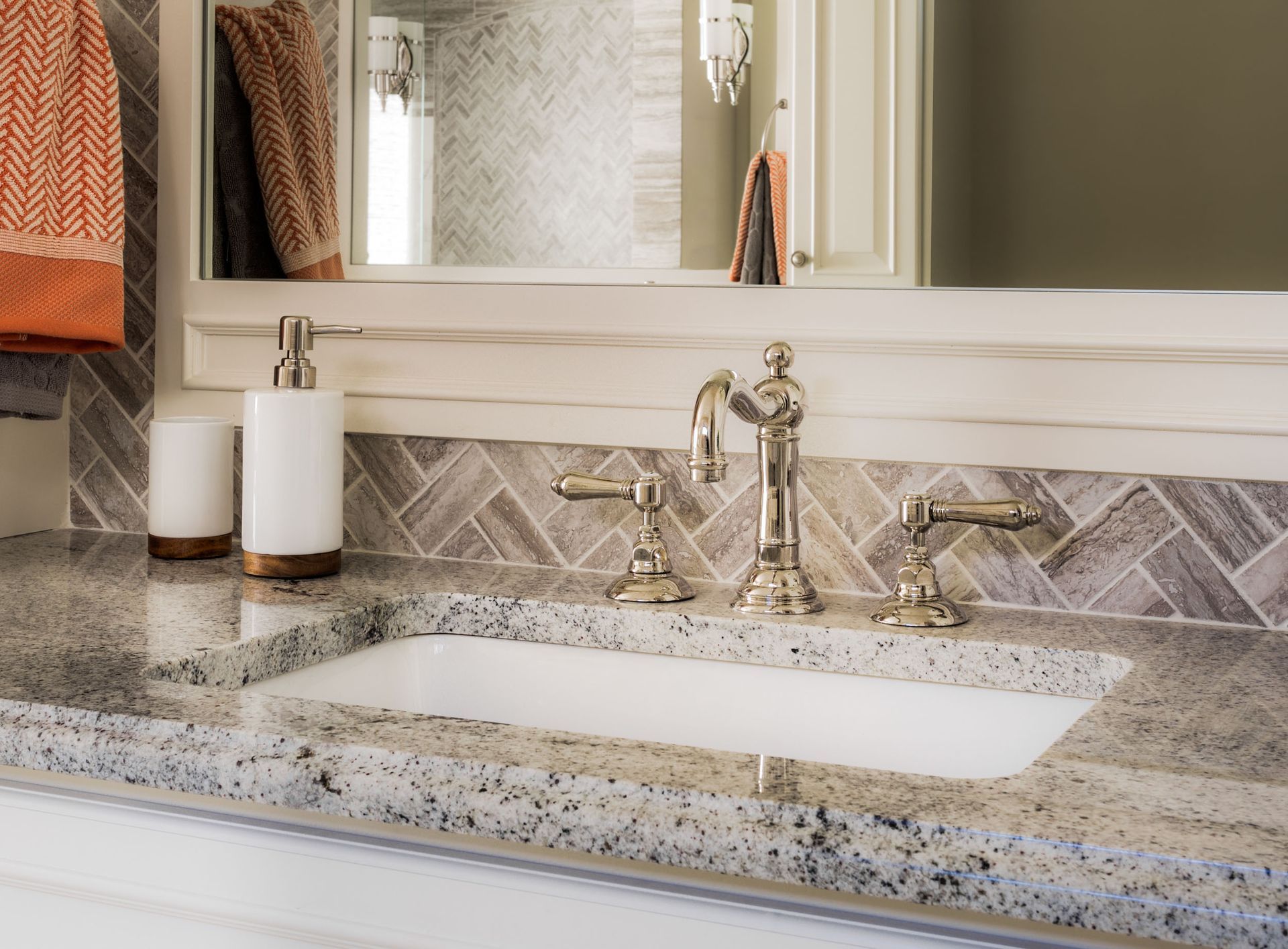
Gray countertops have surged in popularity due to their sophisticated and contemporary appeal. They serve as a neutral that is neither too soft nor overly bold, striking a perfect balance. The elegance of gray offers a modern alternative to traditional color choices, making it a preferred option for many homeowners. Its understated glamour allows it to work well in both sleek, minimalist kitchens and more luxurious, high-end spaces. As trends evolve, gray remains a top contender for those seeking a fresh yet timeless look.
2.2. Best Gray Shades for Different Kitchen Moods
The versatility of gray allows for a range of shades, each bringing a unique mood to the kitchen. Light gray countertops can offer a soft, airy atmosphere, ideal for creating a welcoming and bright culinary space. Medium grays bring warmth and can complement a variety of cabinet colors and finishes. Dark gray is bold yet classic, providing a dramatic contrast that adds depth and sophistication. Choosing the right shade depends on the overall design vision and the desired energy of the space.
2.3. Combining Gray Countertops with Bold Accents
Gray countertops provide an excellent canvas for incorporating bold accents, adding vibrancy without overwhelming the space. Brightly colored backsplashes can inject personality, while vibrant appliances or fixtures create striking focal points. Combining gray surfaces with metallic accents, such as brass or stainless steel, introduces sophistication and a hint of modern flair. Textiles like colorful rugs or patterned curtains can also play up the monochromatic theme, completing the look. This harmonious blend of gray with bold elements creates a dynamic and inviting kitchen design.
2.4. Gray Countertop Materials: Options and Durability
Several materials offer gray hues, each with its unique benefits and durability factors. Quartz continues to be a popular choice for its resilience and variety of available shades, including numerous options in gray. Concrete is another viable material, known for its industrial chic appearance and high customization potential. For a more natural look, slate and soapstone provide rich gray tones with unique textures and veining. Each material's characteristics should be considered carefully, balancing aesthetic preferences with practical needs for daily use.
3. Earthy Tones: Bringing Nature Indoors
3.1. Exploring the Range of Earthy Colors
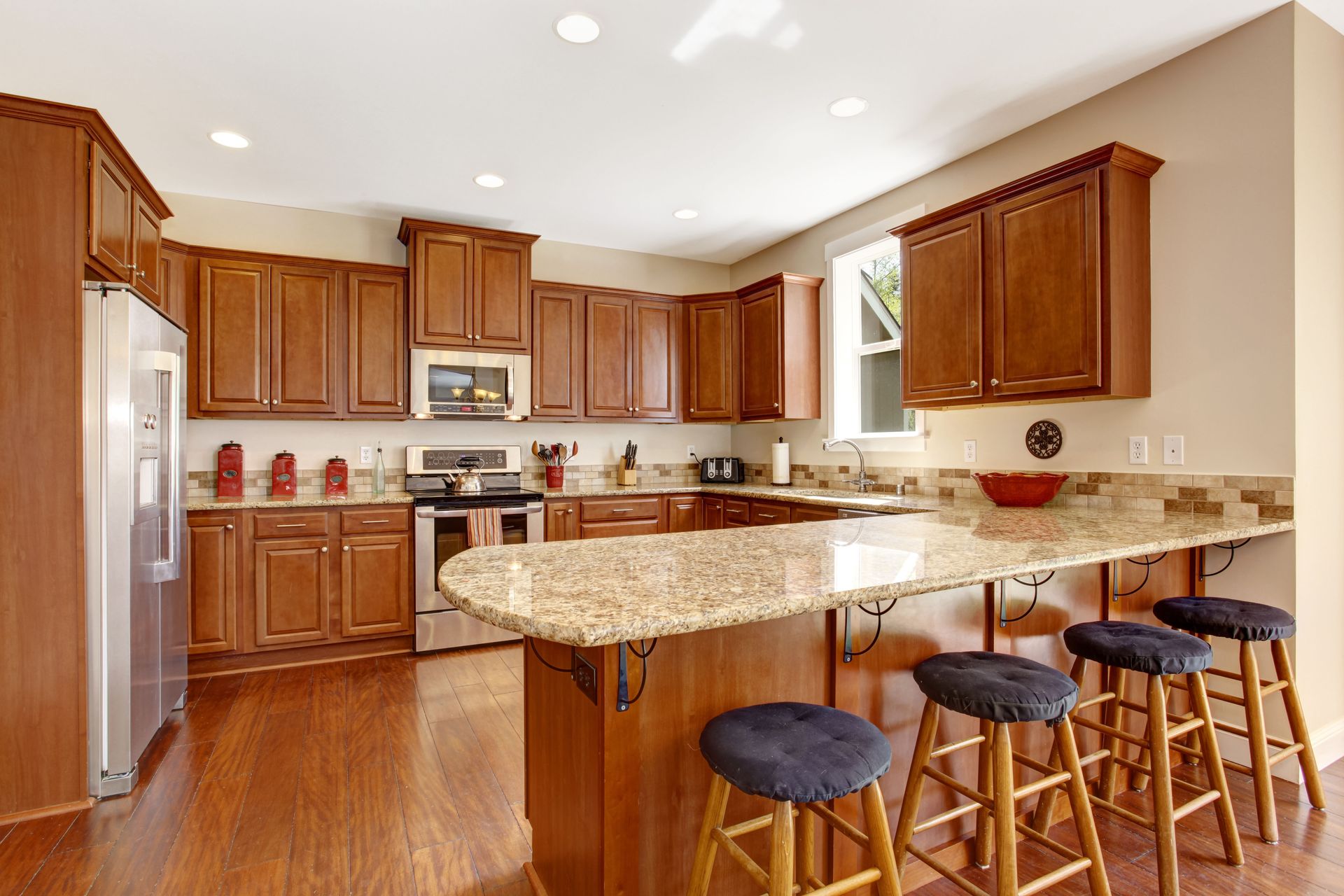
Earthy tones in kitchen countertops offer a natural, grounded aesthetic that connects the home to nature. These colors, ranging from warm browns to deep greens, create a serene and welcoming environment. Rich, earthy shades evoke a sense of calm, making them ideal for busy kitchen spaces where tranquility is valued. The natural spectrum accommodates varied design styles, from traditional to contemporary, enhancing the kitchen's organic feel. Embracing these tones can transform kitchens into cozy, inviting places full of character and warmth.
3.2. Materials that Complement Earthy Countertops
The choice of materials for earthy-colored countertops impacts their appearance and functionality. Granite and quartz are favored for their durability and vast earthy color ranges that complement any kitchen style. Wood is another exemplary material, exuding warmth and adding texture, though it requires more maintenance. Ceramic and porcelain options are valued for their versatility and often mimic the look of natural stone and wood. Each material offers distinct benefits, ensuring homeowners can find the perfect match for their earthy vision.
3.3. Earthy Tones in Minimalist vs. Rustic Kitchens
Earthy tones can adapt to both minimalist and rustic kitchen designs, offering different expressions of style. In minimalist kitchens, understated earth tones provide subtle warmth and enhance simplicity, enhancing a sense of peace and order. Rustic kitchens, by contrast, benefit from the depth and richness of earthy countertops, amplifying the space's natural character and coziness. This flexibility allows homeowners to apply earthy tones conceptually, affording creative freedom to align with varying design aspirations. Versatility in earthy tones ensures kitchens feel organic and welcoming, regardless of the overarching theme.
Sustainability plays a crucial role in modern design, and earthy tones often reflect it through environmentally friendly materials. Recycled glass countertops combine durability with unique aesthetics, offering beautiful variations within earthy hues. Bamboo is a renewable option, bringing warmth and sustainability to kitchen surfaces but requires sealing and care. Composites that simulate natural stone offer eco-conscious alternatives with minimal environmental impact. Selecting sustainable earthy-toned countertops aligns with a commitment to ecological responsibility while crafting visually appealing spaces. According to Real Simple, a study showed that 78% of respondents named quartz as their number one material choice for countertops. Be sure to reach out to Stoneworx today to learn more about our professional kitchen countertops!