March 5, 2026
Choosing new countertops is one of the most exciting parts of a kitchen or bathroom renovation. The right surface can transform the look of your space, improve functionality, and even influence how much you enjoy cooking or entertaining. Among the many materials available, granite and quartz consistently rank as two of the most popular options for homeowners.
If you're weighing granite or quartz counters for your home, you are not alone. Both materials offer durability, visual appeal, and long-term value, but they differ in composition, maintenance needs, and overall style. Researching these differences can help you make a confident decision that fits your lifestyle, design preferences, and budget.
Consider Composition and Appearance
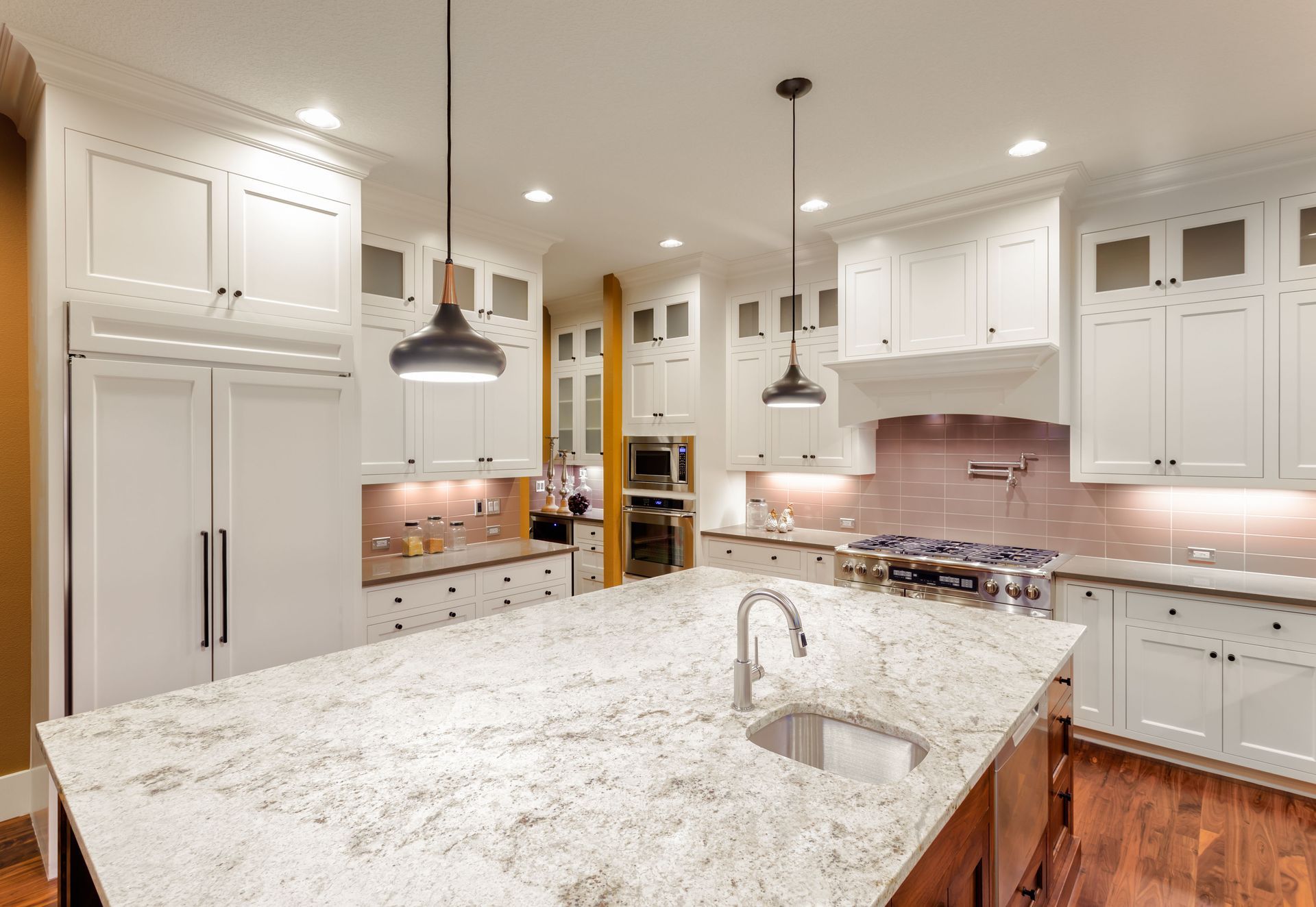
Granite is a natural stone that is quarried from the earth in large slabs. Each slab is unique, formed by natural geological processes over time. Because of this, granite counters often feature organic patterns, veining, and subtle color variations that cannot be perfectly replicated. Homeowners who appreciate one-of-a-kind beauty are often drawn to granite for this reason.
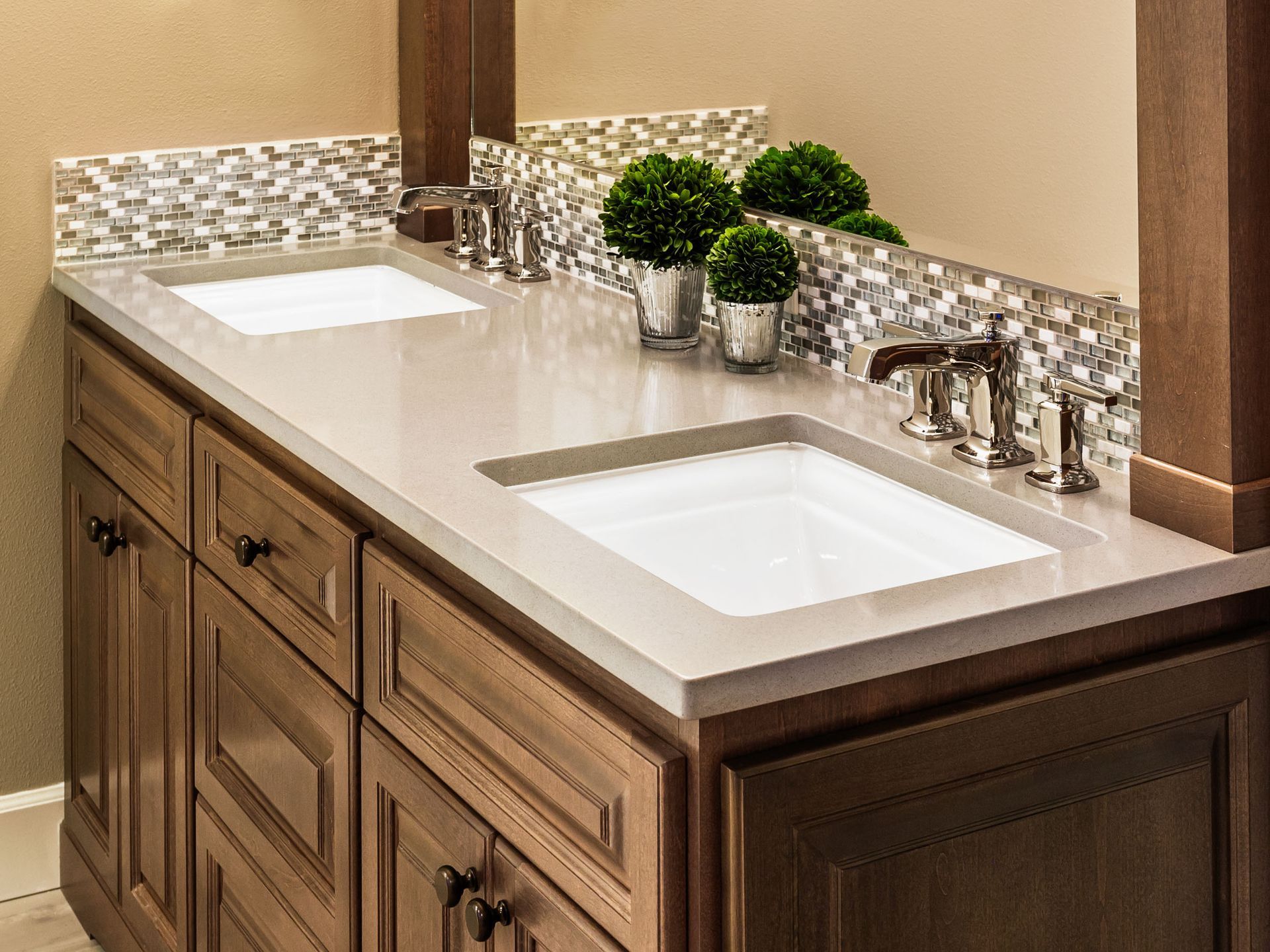
Quartz counters, on the other hand, are engineered surfaces made from natural quartz crystals combined with resins and pigments. This manufacturing process allows for greater control over color and pattern. As a result, quartz often offers a more uniform and consistent look across the entire countertop surface. If you prefer clean lines and a predictable design, quartz may align better with your aesthetic goals.
When it comes to color choices, both materials provide a wide range of options. Granite typically showcases earthy tones such as browns, grays, blacks, and whites, often accented by flecks or dramatic veining. Quartz can mimic the appearance of natural stone, including marble-like patterns, while also offering contemporary colors that may not occur in nature.
The visual difference between granite and quartz countertops comes down to whether you prefer natural variation or engineered consistency. Visiting a showroom and viewing full slabs can help you better understand how each material will look in your home. Lighting, cabinetry, and flooring all play a role in how the finished space will feel.
Compare Durability and Heat Resistance
Durability is a major factor when selecting kitchen countertops. Both granite and quartz are considered strong, long-lasting materials that can stand up to everyday use. However, there are some differences in how they perform under certain conditions.
Granite is naturally heat-resistant because it is formed under intense heat and pressure. Placing a hot pan briefly on a granite surface is unlikely to cause immediate damage, although using trivets is always recommended. Granite is also resistant to scratches, though cutting directly on the surface can dull your knives over time.
Quartz counters are also highly durable and resistant to scratching. Because they are engineered, they tend to be non-porous, which helps protect against staining. In terms of heat tolerance, quartz performs well but has some limitations due to the resins used in its composition. According to This Old House, quartz countertops can handle temperatures up to 400 degrees Fahrenheit; however, it’s still wise to use hot pads or trivets to prevent potential discoloration or damage.
In everyday use, both materials hold up well in busy kitchens. The choice may come down to how often you cook with high heat and how cautious you are with hot cookware. If you frequently move pots directly from the stove to the counter, granite’s natural heat resistance may appeal to you. If you are comfortable using protective pads, quartz offers comparable durability for most households.
Evaluate Maintenance and Cleaning Needs
Maintenance is another key consideration when deciding between granite and quartz counters. Homeowners often look for surfaces that are easy to clean and require minimal ongoing care.
Granite is a porous natural stone, which means it typically needs to be sealed to help prevent stains and moisture absorption. Sealing is not a daily task, but it does require periodic attention. Once properly sealed, granite is relatively easy to clean with mild soap and water. Avoiding harsh or acidic cleaners can help preserve the finish and protect the sealant.
Quartz counters are non-porous due to their engineered composition. This makes them resistant to staining from common kitchen spills such as coffee, juice, or oil. Because they do not require sealing, many homeowners find quartz to be a lower-maintenance option. Routine cleaning usually involves wiping the surface with a soft cloth and a gentle cleaner.
Both materials benefit from simple care habits. Promptly cleaning spills, using cutting boards, and avoiding abrasive scrubbers can extend the life of your countertops. If you prefer a surface that requires less periodic upkeep, quartz may have an edge. If you do not mind occasional sealing in exchange for a natural stone look, granite remains a strong contender.
Considering your lifestyle can make this decision easier. Busy households with children may appreciate the ease of non-porous quartz, while homeowners who value natural materials may be willing to take a few extra steps to maintain granite.
Weigh Cost, Value, and Long-Term Appeal
Budget often plays a central role in any home renovation decision. The cost of granite and quartz countertops can vary depending on factors such as color, rarity, thickness, and installation complexity. In many markets, the price ranges for granite and quartz are relatively comparable, though high-end options in either material can increase the total investment.
Granite pricing may fluctuate based on the uniqueness and availability of specific slabs. Rare colors or dramatic patterns can command higher prices. Because each slab is different, you may find that some options fit your budget better than others within the same showroom.
Quartz pricing tends to be more consistent, as it's manufactured in controlled conditions. However, brand, design, and edge profiles can still influence the final cost. Installation expenses for both materials are similar, as each typically requires professional fabrication and placement due to their weight and the need for precise cutting.
In terms of long-term value, both granite and quartz are attractive to potential homebuyers. Updated countertops can enhance the overall impression of a kitchen and contribute to a sense of quality and care. While it is impossible to predict exact returns, investing in durable, visually appealing surfaces generally supports your home’s marketability.
Beyond resale value, think about how long you plan to live in your home. If you're renovating for your own enjoyment, prioritize the material that best suits your taste and daily habits. A countertop you love seeing and using every day often provides value beyond numbers alone.
When deciding between granite or quartz counters, there is no single answer that fits every home. Granite offers natural beauty, unique patterns, and strong heat resistance that many homeowners appreciate. Quartz provides consistent design, non-porous performance, and simplified maintenance that suits busy lifestyles.
By considering composition, durability, maintenance, and budget, you can decide which option aligns with your priorities. Visiting showrooms, asking questions, and viewing full slabs or samples in your own lighting can further clarify your choice. Choosing the right countertop is about creating a space that feels both functional and welcoming, supporting your daily routines while reflecting your personal style.
Ready to refresh your kitchen or bathroom? At Stoneworx, we’ll help you compare granite and quartz counters to find the perfect fit for your style, budget, and lifestyle.