September 22, 2026
Natural stone brings unmatched elegance, unique veining, and enduring strength into residential and commercial spaces. Materials such as granite, marble, quartzite, soapstone, and limestone transform kitchens and bathrooms into luxurious environments. However, unlike synthetic surfaces or high-density engineered composites, natural stone is intrinsically porous and chemically sensitive. Understanding how to care for these organic surfaces is essential for preserving their polished, honed, or leathered finishes over decades of daily use. Taking time to learn these maintenance requirements ensures your investment retains its value over time.
When homeowners invest in premium stone countertops, maintaining their physical appearance requires a clear understanding of basic surface chemistry. Improper cleaning habits, harsh household chemicals, and abrasive scrubbing tools can dull protective sealants, etch delicate mineral structures, and cause irreparable staining. Protecting these installations begins with establishing gentle, daily cleaning routines that preserve the material's structural integrity while keeping surfaces hygienic and bright.
Identifying Common Cleaning Mistakes That Cause Permanent Damage
Many property owners unknowingly damage their natural stone by using everyday household cleaners designed for other surfaces. Common acidic substances like vinegar, lemon juice, glass cleaners, and toilet bowl formulas react violently with the calcium carbonate found in stones like marble and limestone. This chemical reaction dissolves the top layer of the mineral, leaving behind dull, cloudy spots known as etching. Acidic damage cannot be wiped away, as it represents a physical alteration of the stone's surface rather than a superficial stain.
Similarly, harsh alkaline products such as bleach, ammonia, and heavy-duty degreasers strip protective sealant barriers, exposing raw, porous stone to liquid penetration. Abrasive scouring powders, steel wool, and rough scrubbing sponges create microscopic scratches that destroy high-gloss finishes and invite dirt accumulation. Repeatedly using these aggressive supplies will break down the stone's natural protective layer over time. Avoiding these aggressive chemical and mechanical treatments is the most crucial step in preventing premature surface dulling and structural degradation on custom countertops.
Choosing Safe Cleaners and Daily Maintenance Routines
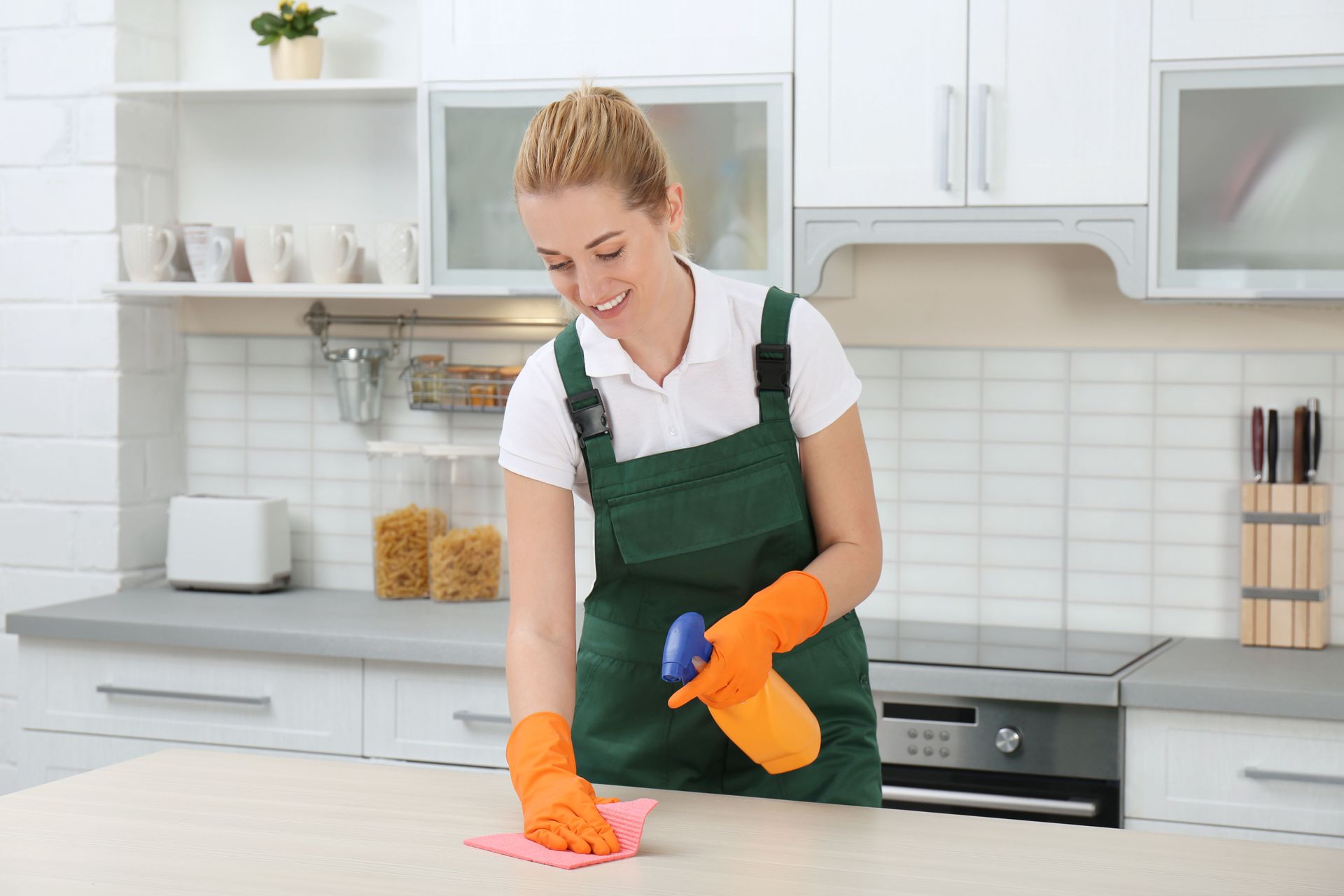
Daily upkeep of natural stone surfaces should be straightforward, consistent, and exceptionally gentle. The most effective cleaner for routine spills is a simple mixture of warm water and a few drops of pH-neutral liquid dish soap. Applying this mild solution with a soft microfiber cloth effectively lifts grease, food residues, and surface dust without compromising the protective finish or stripping applied sealants.
For deeper sanitization, specialized pH-neutral stone cleaners are formulated specifically to break down grime while protecting delicate mineral structures. After wiping down kitchen countertops with soapy water or specialized cleaner, it is critical to rinse the area with a damp cloth to remove any residual soap film. Finishing the routine by buffing the surface completely dry with a clean microfiber towel prevents water spots, mineral streaks, and dull buildup over time.
Managing Spills and Preventing Deep-Seated Staining
Because natural stone is naturally porous, liquid spills must be addressed immediately to prevent permanent discoloration. Acidic liquids like red wine, coffee, tomato sauce, citrus juices, and cooking oils pose the greatest threat to unsealed or lightly sealed surfaces. When a liquid spill occurs, the cardinal rule is to blot the liquid immediately with a soft paper towel or cloth rather than wiping it across the surface, which spreads the contaminant over a larger area.
If an oil-based or deeply pigmented substance penetrates the stone, a specialized poultice can be used to draw the stain out of the porous mineral structure. A poultice is made by mixing a fine absorbent powder, such as baking soda or diatomaceous earth, with a solvent or hydrogen peroxide to create a thick paste. Spreading this paste over the stain and covering it with plastic wrap for twenty-four hours allows the drying mixture to pull the embedded liquid out of the stone matrix safely.
Protecting Protective Sealants and Verifying Water Resistance
Protective sealants play a vital role in defending natural stone from liquid absorption and organic staining. A high-quality penetrating sealer absorbs into the microscopic pores of the material, creating an invisible hydrophobic barrier that slows down liquid absorption. While sealants offer vital stain resistance, they do not render stone countertops completely waterproof or immune to acidic etching, making gentle care habits necessary even on sealed surfaces.
Testing the integrity of a stone's sealant barrier is a simple process that should be performed periodically. Dropping a few droplets of water onto the surface and observing them for fifteen minutes reveals whether the sealant remains active; if the water beads up cleanly, the barrier is intact, but if the stone darkens under the water, the sealant has degraded. According to This Old House, sealing marble countertops once a year is necessary to preserve their protection against etching and stains. Regularly testing and reapplying penetrating sealers according to manufacturer guidelines protects the underlying stone from deep moisture penetration.
Implementing Protective Habits in High-Traffic Areas
Preventing physical damage to natural stone involves adopting smart operational habits in high-use areas like kitchens and vanity spaces. Placing decorative trivets or insulated hot pads beneath scorching cookware prevents thermal shock, which can cause subtle cracking or discoloration in natural mineral veins. Using cutting boards during food preparation protects the finish from sharp cutlery and keeps acidic ingredients like lemons and tomatoes off delicate countertops. Setting up dedicated prep zones helps keep potentially damaging foods isolated in one manageable area.
In high-traffic areas, utilizing soft coasters beneath drinking glasses, oil bottles, and soap dispensers eliminates rings and localized moisture accumulation. Placing felt guards under heavy appliances or decorative centerpieces prevents surface scratching when items are shifted across the room. Integrating these simple preventive habits into daily household routines significantly reduces wear and tear on busy residential surfaces.
Maintaining Distinct Finishes for Polished and Honed Stone
Different surface finishes require slightly different care strategies to maintain their visual appeal over time. Polished stone features a high-gloss, reflective surface that highlights the deep color and rich veining of the material, but it is particularly susceptible to visible acidic etching and micro-scratching. Honed stone, on the other hand, presents a smooth, matte finish that hides minor surface imperfections well, though its higher porosity means it requires diligent sealing to prevent dark fluid stains.
When cleaning polished stone countertops, microfiber buffing is essential to eliminate streaks and preserve the mirror-like sheen. For honed finishes, preventing oil and grease absorption is the primary focus, as matte surfaces absorb liquids more readily if left unsealed. Choosing the right cleaning approach based on your stone's specific finish helps maintain its original look. Understanding the unique characteristics of your specific finish allows you to tailor your maintenance efforts, ensuring that both polished and matte surfaces retain their intended aesthetic appeal.
Ensuring Long-Term Value and Surface Longevity
Caring for natural stone is a long-term investment that preserves both the aesthetic charm and financial value of a property. By avoiding harsh chemical cleaners, using pH-neutral solutions, addressing spills promptly, and maintaining a robust sealant barrier, property owners can enjoy the timeless beauty of natural stone without fear of premature degradation. Consistent, gentle care allows these natural materials to age gracefully, developing a rich patina while maintaining their structural strength for generations.
When faced with severe etching, deep physical scratches, or persistent staining that simple DIY methods cannot resolve, consulting a professional stone restoration specialist is the safest choice. Professional technicians possess specialized diamond honing pads and polishing compounds capable of refinishing damaged surfaces back to their original luster. Establishing proactive care protocols ensures your investment remains a stunning, durable centerpiece of your interior space for decades to come. Contact Stoneworx today to explore our custom stone options or schedule expert maintenance for your home.